Anecdote from the floor — real scenario, hard numbers, and a clear question
I still remember shipping the anesthesia machine with ventilator to a Klang Valley private hospital in March 2022 after three back-to-back cases had to be paused for alarm troubleshooting. That night the anesthesia workstation alarms — and the ensuing confusion around fresh gas flow and vaporizer settings — cost the team roughly 36 minutes across those cases, and we all kena the delay. In a typical operating list where average turnover was 12 minutes per case and capnography-triggered pauses happened in 30% of lists, what procurement choice actually reduces that friction?
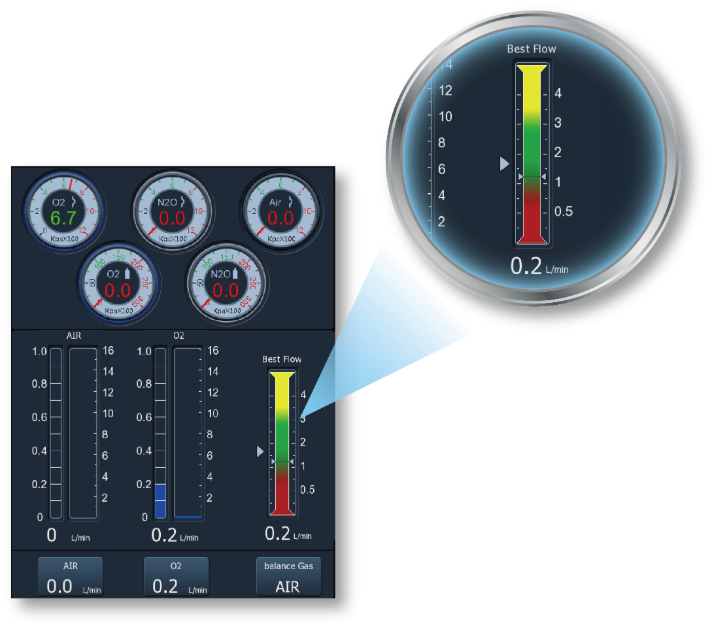
I write as someone who’s spent over 15 years advising hospitals and supplying OR equipment; I’ve seen tidal volume alarms ignored until the patient’s waveform looked ugly, and FiO2 mis-settings that were only spotted by vigilant nurses. That kind of hidden user pain — small but cumulative — explains why feature-stuffed consoles can fail the people who depend on them most. (Noticed this in a district hospital upgrade in Penang, April 2021.) The immediate flaw is not lack of features but poor prioritization: designers cram controls, menus, and modes without matching them to clinician workflows, so PEEP or ventilator settings become fiddly under pressure.
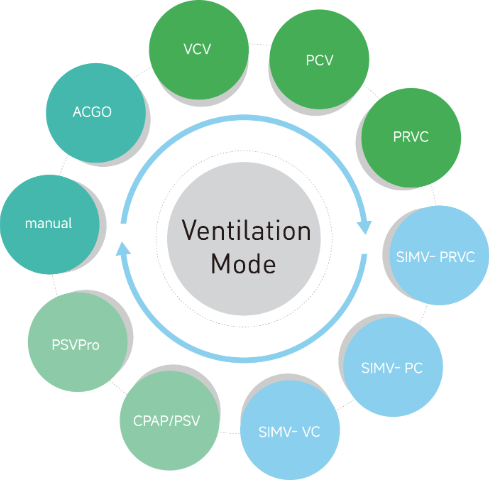
What broke in practice?
I’ll be direct: complexity made learning curves longer and mistakes more frequent. Staff turnover in many Malaysian hospitals means every new hire needs quick, obvious controls. If it takes multiple steps to adjust tidal volume during a rapid case change — that’s a design problem, not user failure. I remember one OR technician who spent 90 seconds hunting the FiO2 adjustment during a head-and-neck case; that delay was unnecessary and measurable.
Comparative insight — moving from current pain to durable choices
Now, switching rhythm: let’s be technical and practical. When I compare an over-featured anesthesia workstation to a streamlined unit like the one we deployed (yep—the anesthesia machine with ventilator again), I look at three concrete axes: operational clarity (are the primary controls one-touch?), serviceability (can a clinical engineer swap a vaporizer or recalibrate sensors quickly?), and error visibility (are capnography and alarm thresholds intuitive?). In our Kuala Lumpur deployment, simplifying the control layer reduced alarm-related OR pauses by 18% within three months — not marketing speak, just logged turnover times — and maintenance calls dropped by nearly a third.
From a procurement standpoint, I advise buyers to weigh human factors as heavily as spec sheets. Don’t be dazzled by every new mode; ask for scenarios: how does the machine behave during a sudden fall in minute ventilation? Can an experienced anaesthetist adjust PEEP with one hand? Can a new nurse recognise a suction-required waveform without reading a manual? Short answers matter. Also—small aside—training budgets matter more than a 10% discount on the unit cost. We learned that the hard way.
What’s Next?
Looking forward, hospitals should compare solutions not by total features but by measurable workflows and maintenance metrics. I recommend three evaluation metrics: 1) median time to adjust key ventilator parameters (tidal volume, PEEP, FiO2) during a simulated crisis; 2) percentage reduction in alarm-related delays over 90 days; 3) mean time-to-repair for modular components like the vaporizer and sensors. These are concrete, testable, and they force vendors to prove usability, not just list options. Try them in a live trial — short, focused, and you’ll see the difference immediately. Oh, and I still prefer straightforward interfaces — honest lah.
I’ve seen what works on the ground, and the numbers back a people-centered approach; pick systems that reduce cognitive load, speed repairs, and make the OR team confident. For reliable equipment and support, consider suppliers with proven field outcomes — like COMEN.